Mostrando entradas con la etiqueta llama. Mostrar todas las entradas

miércoles, 24 de julio de 2019

Vicuñas baby and others - Lama glama, guanaco และ alpaca รูปภาพของสิ่งมีชีวิตขนาดเล็กที่ให้ความเป็นอยู่ที่ดี


Vicuñas baby and others - Lama glama, guanaco และ alpaca รูปภาพของสิ่งมีชีวิตขนาดเล็กที่ให้ความเป็นอยู่ที่ดี

จนกว่าคุณจะรักสัตว์ส่วนหนึ่งของจิตวิญญาณของคุณจะหลับไป อนาโทลฝรั่งเศส


ภาพสัตว์เล็กด้วยเฉดสีที่ชัดเจนและพื้นที่สีเขียวเป็นแรงบันดาลใจให้เกิดความสงบภายในสร้างความรู้สึกคุ้นเคยที่ทำให้เรามั่นใจ สัตว์มีความสำคัญในชีวิตของเรา เราชอบภาพที่แพร่กระจายด้วยความฟุ่มเฟือยในเครือข่ายสังคมเพราะสมองของเราเมื่อเห็นสัตว์แสดงใบหน้าที่นุ่มนวลมีนิสัยที่ดีขึ้นสำหรับกระบวนการทางปัญญาและความสัมพันธ์ที่ดีกับผู้คน นอกจากนี้ยังช่วยลดระดับความเครียดและความวิตกกังวล

ผู้คนสร้าง "หยุดใช้งานชั่วคราว" และค้นหาสัตว์ใน Instagram ด้วยภาพที่ปรับเปลี่ยนเพื่อให้เกิดความอ่อนโยน ท่าทางของสัตว์นั้นได้รับการเปลี่ยนแปลงและพูดเกินจริงเพื่อให้ดูเหมือนกับใบหน้าของทารก เราอยู่ไกลจากธรรมชาติดังนั้นภาพสัตว์ที่วางไว้ในสภาพแวดล้อมตามธรรมชาติหรือภูมิทัศน์ทำให้เราผ่อนคลายและทำให้เรามีความคุ้นเคยซึ่งทำให้เรามั่นใจ และจะดีกว่าถ้าภาพเหล่านี้รวมกับความถี่เสียงต่ำที่คล้ายกับจังหวะการเต้นของหัวใจบุคคลนั้นจะผ่อนคลายมากยิ่งขึ้น

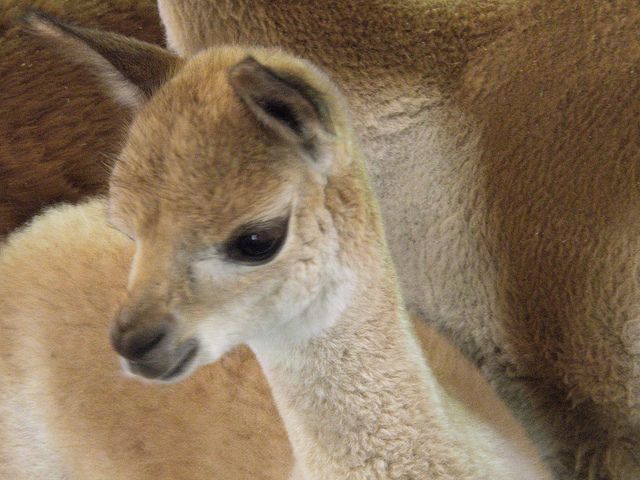
Vicuña baby- (Vicugna vicugna)


ความอ่อนโยนในรูปถ่ายและวิดีโอของสัตว์เป็นสิ่งเร้าที่มีผลทางจิตวิทยาเพราะพวกเขาแสดงพฤติกรรมที่เราพิจารณาว่าอ่อนโยน ความอ่อนโยนที่เกิดจากสัตว์ช่วยชีวิตคณะวิวัฒนาการที่แตกต่างกันของเผ่าพันธุ์ของเราเช่นแนวโน้มที่จะปกป้องลูกน้อยและเพื่อปลอบประโลมผู้ที่รู้สึกไม่สบาย


มีคำอธิบายวิวัฒนาการที่อธิบายว่าทำไมมนุษย์ที่อายุน้อยกว่าจึงซื้อเรา: เราต้องดูแลพวกมันไม่เช่นนั้นเผ่าพันธุ์ของเราจะสูญพันธุ์ ทำไมเราถึงรู้สึกอารมณ์รุนแรงเช่นนี้กับสัตว์เลี้ยงลูกด้วยนมส่วนใหญ่?

Alpaca (Vicugna pacos)


ผู้ชนะรางวัลโนเบลชาวออสเตรีย Konrad Lorenz (2446-2532) ที่ศึกษาวิวัฒนาการและความสำคัญของพฤติกรรมมนุษย์ (มนุษย์จริยธรรม) ปรับพฤติกรรมมนุษย์ชี้ให้เห็นว่าสัตว์หลายชนิดมีลักษณะเหมือนเด็กทารกมนุษย์ร่วมกัน แต่ไม่ใช่ผู้ใหญ่: ตาโต จมูกแบนหน้าผากใหญ่และคางเล็ก Lorenz เชื่อว่าเราถ่ายโอนปฏิกิริยาของเราไปยังชุดลักษณะเดียวกันในสัตว์อื่น ๆ


จากข้อมูลของ Lorenz เราตัดสินลักษณะของสัตว์อื่น ๆ แม้ว่าจะไม่ใช่สัตว์เลี้ยงลูกด้วยนมด้วยเกณฑ์เดียวกันกับที่เราตัดสินเรา “ มันเป็นคำตอบของเราที่ตีความมันถ้าทารกเริ่มเกิดกับจมูกยาวและหัวที่แคบแม้จะมีเขาเราก็จะเริ่มเห็นคุณสมบัติเหล่านั้นสวยงามเช่นนี้ด้วยเหตุนี้ผู้ปกครองมักจะเชื่อว่าลูกของพวกเขานั้นมีมากกว่า น่าสนใจกว่าเด็กทารกคนอื่น ๆ มีสัญชาตญาณโดยธรรมชาติในการรักษาสายเลือดของเราเองด้วยการมุ่งเน้นที่เข้มข้นมากขึ้นก็หมายถึง DNA เฉพาะของเราเอง

ลามา (ลามะกลามา)


แม้ว่าเราจะไม่สับสนกับทารกที่มีตราประทับทารก แต่เราก็มีแรงกระตุ้นที่จะดูแลสิ่งมีชีวิตเล็ก ๆ น้อย ๆ ที่มีขนดกนี้ด้วยดวงตาสีดำขนาดใหญ่ ลูกช้างที่มีผิวสีเทาหนาตาสุกใสเล็กหูใหญ่และหลอดยาวของมันไม่ควรดูน่าสนใจ แต่เป็นการพิสูจน์ด้วยทารกมนุษย์


ช้างตัวเล็กไม่ได้มีลักษณะร่างกายมนุษย์ แต่มีองค์ประกอบของพฤติกรรมที่คล้ายกัน: พวกเขาขี้เล่นบอบบาง (เทียบกับญาติของพวกเขา) ผู้บริสุทธิ์และแม้ว่าพวกเขาจะอยู่กับแม่โดยสัญชาตญาณการเอาตัวรอดเราตีความว่ามันเป็นความรัก เมื่อเราเห็นพฤติกรรมเด็ก ๆ เราตีความผิด ๆ และถ่ายทอดความรักของเรา ความรู้สึกแบบเดียวกันนี้เกิดขึ้นเมื่อเราเห็นสิ่งมีชีวิตที่น่ารักของอูฐเปรู

Guanaco (Lama guanicoe)


ลิงค์ไปยังโพสต์อื่น ๆ เกี่ยวกับvicuñas

1) เด็กทารก La Vicuñaสัตว์แอนดีสที่น่ารัก


2) ลาvicuñaทองคำแห่งเทือกเขาแอนดีส


3) Vicuñaและถิ่นที่อยู่ภูมิทัศน์ที่ยอดเยี่ยม


การอ้างอิง

¿Por qué nos enternecen tanto las crías de mamíferos?, Bethan Bell, BBC, 1 julio 2014

¿Por qué ver imágenes de animales tiernos nos hace sentir mejor?

Vicuñas baby dan lainnya - Lama glama, guanaco dan alpaca. Gambar makhluk kecil yang menghasilkan kesejahteraan.


Vicuñas baby dan lainnya - Lama glama, guanaco dan alpaca. Gambar makhluk kecil yang menghasilkan kesejahteraan.

Sampai Anda mencintai binatang, bagian dari jiwa Anda akan tertidur. Perancis Anatole


Gambar-gambar hewan kecil, dengan nuansa jernih dan ruang hijau menginspirasi ketenangan batin, menciptakan rasa keakraban yang meyakinkan kita. Hewan itu penting dalam hidup kita; kami menyukai gambar yang tersebar luas di jaringan sosial karena otak kita, melihat seekor binatang yang memperlihatkan wajahnya yang lembut, memiliki kecenderungan positif yang lebih besar untuk proses kognitif dan hubungan yang baik dengan orang-orang; Ini juga menurunkan tingkat stres dan kecemasan.

Orang-orang membuat "jeda aktif" dan mencari hewan-hewan Instagram dengan gambar-gambar yang dimodifikasi untuk menyebabkan lebih banyak kelembutan; Gerak-gerik binatang diubah dan dibesar-besarkan sehingga menyerupai wajah bayi. Kita jauh dari alam, jadi gambar-gambar binatang yang ditempatkan di lingkungan atau lanskap alami membuat kita santai dan membuat kita merasakan keakraban yang meyakinkan kita; Dan lebih baik jika gambar-gambar ini dikombinasikan dengan frekuensi suara rendah yang menyerupai detak jantung, orang tersebut menjadi lebih rileks.

Vicuña baby- (Vicugna vicugna)


Kelembutan dalam foto dan video hewan adalah rangsangan yang memiliki efek psikologis karena mereka menunjukkan perilaku yang kita anggap lunak. Kelembutan yang disebabkan oleh hewan menyelamatkan berbagai kemampuan evolusi spesies kita, seperti kecenderungan untuk melindungi anak-anak kecil, dan untuk menghibur mereka yang merasa tidak nyaman, antara lain.


Ada penjelasan evolusi yang menjelaskan mengapa manusia yang lebih muda tender kita: kita harus merawat mereka atau spesies kita akan punah. Mengapa kita merasakan emosi yang kuat bagi sebagian besar bayi mamalia?

Alpaca (Vicugna pacos)


Pemenang Hadiah Nobel Austria, Konrad Lorenz (1903-1989), yang mempelajari evolusi dan pentingnya perilaku manusia (etologi manusia), menunjukkan bahwa banyak hewan memiliki sifat-sifat tertentu yang juga dimiliki oleh bayi manusia, tetapi tidak oleh orang dewasa: mata besar , hidung rata, dahi tebal dan dagu kecil. Lorenz percaya bahwa kita mengalihkan reaksi kita ke serangkaian sifat yang sama pada hewan lain.


Menurut Lorenz, kami menilai penampilan hewan lain, bahkan jika mereka bukan mamalia, dengan kriteria yang sama dengan yang kami menilai hewan kami. "Tanggapan kami yang menafsirkannya. Jika bayi mulai dilahirkan dengan hidung panjang dan kepala sempit, bahkan dengan tanduk, kita akan mulai melihat fitur-fitur itu indah. Untuk alasan ini, orang tua cenderung percaya bahwa keturunan mereka sendiri lebih menarik daripada bayi lain. Ada naluri yang melekat untuk mempertahankan garis keturunan kita sendiri. Dengan fokus yang lebih terkonsentrasi, itu berarti DNA spesifik kita sendiri.

Llama (Lama glama)


Meskipun kita tidak akan membingungkan bayi manusia dengan segel bayi, kita memang memiliki dorongan untuk merawat makhluk kecil berbulu ini dengan mata hitam besar dan mata yang memohon. Seekor bayi gajah dengan kulit abu-abunya yang tebal, matanya yang kecil dan cerah, telinga yang besar, dan tabungnya yang panjang seharusnya tidak terlihat menarik, tetapi dengan identifikasi dengan bayi manusia.


Gajah kecil tidak secara fisik menyerupai manusia, tetapi mereka memiliki elemen perilaku yang serupa: mereka lucu, rapuh (dibandingkan dengan saudara mereka), tidak bersalah, dan meskipun mereka tetap bersama ibu mereka dengan naluri bertahan hidup, kami menafsirkannya sebagai cinta. Ketika kita melihat perilaku kekanak-kanakan, kita salah menafsirkannya, dan mengalihkan kasih sayang kita. Sensasi yang sama terjadi ketika kita melihat makhluk menggemaskan unta Peru.

Guanaco (Lama guanicoe)


Tautan ke pos lain tentang vicuñas

1) La vicuña sayang, makhluk Andes yang cantik


2) La vicuña, emas Andes


3) Vicuña dan habitatnya, Bentang alam yang menakjubkan

 Referensi

¿Por qué nos enternecen tanto las crías de mamíferos?, Bethan Bell, BBC, 1 julio 2014

¿Por qué ver imágenes de animales tiernos nos hace sentir mejor?


Vicuñas baby and others - Lama glama, guanaco and alpaca. Images of small creatures that produce well-being.


Vicuñas baby and others - Lama glama, guanaco and alpaca. Images of small creatures that produce well-being.

Until you have loved an animal, part of your soul will be asleep. Anatole France


The images of small animals, with clear shades and green spaces inspire inner tranquility, create a sense of familiarity that reassures us. Animals are important in our life; we like the images spread with profusion in social networks because our brain, seeing an animal showing its tender face, has a greater positive disposition for cognitive processes and a good relationship with people; It also lowers levels of stress and anxiety.

People make "active pauses" and search Instagram animals with images modified to cause more tenderness; The gestures of the animals are transformed and exaggerated so that they resemble the face of a baby. We are far from nature, so the images of animals placed in natural environments or landscapes relax us and cause us a sense of familiarity that reassures us; And it is better if these images are combined with low sound frequencies that resemble the heartbeat, the person relaxes even more.

Vicuña baby- (Vicugna vicugna)


The tenderness in the photos and videos of animals are stimuli that have psychological effects because they show behaviors that we consider tender. The tenderness attributed to animals rescues different evolutionary faculties of our species, such as the tendency to protect the little ones, and to comfort those who present some discomfort, among others.


There is an evolutionary explanation that explains why younger humans tender us: we must take care of them or our species will become extinct. Why do we feel such strong emotions for most baby mammals?

Alpaca (Vicugna pacos)


Austrian Nobel Prize winner Konrad Lorenz (1903-1989), who studied the evolutionary and adaptive importance of human behaviors (human ethology), pointed out that many animals have certain traits also shared by human babies, but not by adults: big eyes , flat noses, bulky forehead and small chin. Lorenz believed that we transferred our reaction to the same set of traits in other animals.

According to Lorenz, we judge the appearance of other animals, even if they are not mammals, with the same criteria with which we judge ours. "It is our response that interprets it. If babies began to be born with long noses and narrow heads, even with horns, we would begin to see those features as beautiful. For this reason, parents tend to believe that their own offspring are more attractive than other babies.There is an inherent instinct to preserve our own lineage.With a more concentrated focus, it means our own specific DNA.

Lama (Lama glama)


Although we are not going to confuse a human baby with a baby seal, we do have the impulse to take care of this little hairy creature with its huge black and imploring eyes. A baby elephant with its thick gray skin, its small bright eyes, its large ears and its long tubes should not seem attractive, but it is, by identification with human babies.


Little elephants do not physically resemble humans, but they have similar behavioral elements: they are playful, fragile (compared to their relatives), innocent, and although they remain with their moms by survival instinct, we interpret it as love. When we see childish behaviors, we interpret them incorrectly, and transfer our affection. The same sensations occur when we see the adorable creatures of Peruvian camelids.

Guanaco (Lama guanicoe)


Links to other posts about vicuñas

1) La vicuña baby, lovely creature of the Andes


2) La vicuña, gold of the Andes


3) Vicuña and its habitat, Fabulous landscape


References

¿Por qué nos enternecen tanto las crías de mamíferos?, Bethan Bell, BBC, 1 julio 2014

¿Por qué ver imágenes de animales tiernos nos hace sentir mejor?